 (850) 655-0350
Extra Protection
Protect your cigars from over drying or mold with Boveda 69% Relative Humidity 2-Way Humidity 60 gr Control bags. Our extra protection also covers damages during shipping.

Your cart is empty
Buy CigarsBy placing an order, you agree to pay all customs duties, taxes, and import fees required by your local authorities. You are solely responsible for knowing and complying with your country’s import laws regarding cigars before ordering.
Cigar Country is not responsible for any delays, holds, confiscations, seizures, returns, or destruction by customs. No refunds will be issued for orders affected by unpaid charges or import restrictions.

4 min read
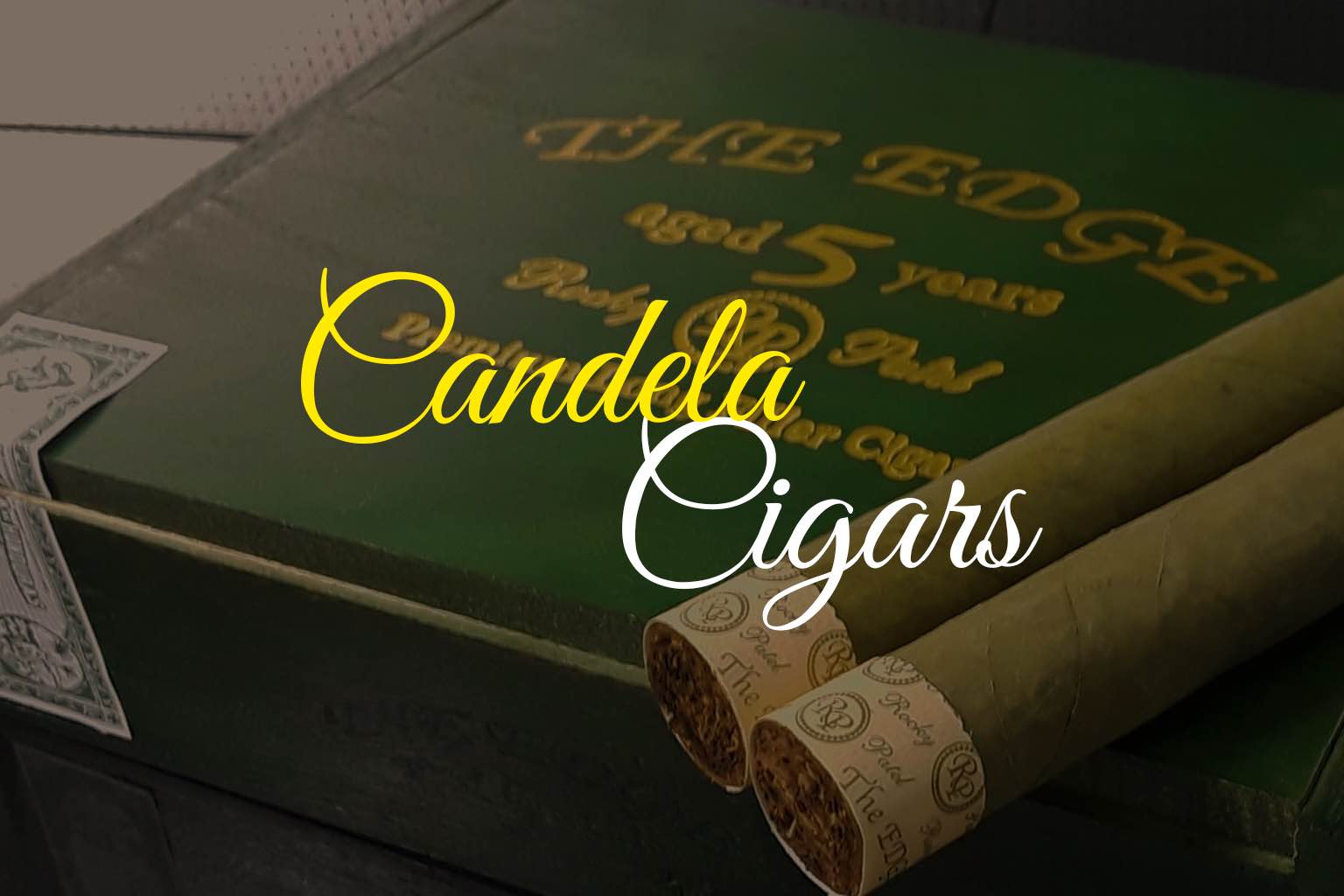
When you open a well-stocked humidor, your eyes naturally adjust to a sea of browns. You see the pale tan of a Connecticut shade, the reddish hue of a Habano, and the deep, dark espresso color of a Maduro. But occasionally, a vibrant, unmistakable flash of emerald green catches your attention.
For the uninitiated, seeing a bright green cigar can be confusing. It looks unripe, perhaps even unfinished. However, for a true aficionado of premium handmade cigars, that green hue is a beacon of tradition, history, and incredibly unique flavor.
This is the Candela cigar.
Once the absolute dominant force in the American market, this striking green wrapper has transitioned into a highly sought-after novelty. If you are looking to expand your palate beyond the standard spectrum, understanding the nuances of this remarkable tobacco is essential. This comprehensive guide will explain the intricate curing process, decode the tasting notes, and highlight the finest options available on the market.
To answer the common question, “what is a candela cigar?”, we must look at the wrapper. A Candela is not a specific seed varietal or a distinct brand; it is a specialized curing process applied to the outer leaf.
Any tobacco seed—whether it is grown in the Dominican Republic, Ecuador, or Nicaragua—can theoretically be turned into a Candela. The defining characteristic is the candela wrapper, which retains its natural green chlorophyll. While most tobacco is slowly air-cured over months to turn it brown, the Candela process requires speed, precision, and intense heat.
The journey of the candela leaf is a fascinating departure from traditional tobacco processing. When standard tobacco is harvested, it is hung in curing barns where ventilation and natural air slowly draw out the moisture. During this lengthy process, the chlorophyll breaks down, and the leaf turns brown.
Immediately after the leaves are primed (harvested) from the stalk, they are rushed into a specialized curing barn known as a casa de tabaco. The barn is sealed, and massive heat is applied, raising the temperature significantly. This rapid, intense heat “cooks” the leaf, rapidly extracting the moisture in a matter of days rather than months.
This “flash-curing” method completely halts the breakdown of chlorophyll, locking the vibrant green color permanently into the leaf. Because the process skips the lengthy, traditional fermentation stage where starches turn into dark sugars, the resulting wrapper is incredibly thin, delicate, and possesses a completely different chemical makeup than its brown counterparts.
Today, the Candela is considered a rare tobacco, but this was not always the case. Throughout the mid-20th century, the Candela was the undisputed king of the United States cigar market. It was so ubiquitous that the green wrapper was officially classified as “American Market Selection” (AMS). Prominent businessmen, politicians, and everyday smokers preferred the mild, approachable profile it offered.
However, as the decades passed, consumer palates shifted. Smokers began to demand heavier, spicier, and more full-bodied profiles, leading to the rise of Maduros and robust Nicaraguan blends. The intricate, labor-intensive process of creating Candelas was largely abandoned by major factories.
In the modern era, producing a flawless green wrapper is a lost art that only a few master blenders still practice, making a well-crafted Candela a true gem in any collection.
Because the leaf skips traditional fermentation, the flavor profile is unlike anything else in your humidor.
The primary candela notes are famously described as “grassy” or “herbaceous.” When you light one, you will immediately notice aromas of sweet green tea, fresh hay, mint, and cedar. Because the starches have not fully converted to deep sugars, the sweetness is light and floral, reminiscent of honeysuckle or sweet cream, rather than the heavy chocolate or molasses found in dark wrappers.
Regarding candela strength, these cigars are almost universally mild to medium in body. The wrapper itself imparts very little nicotine. Instead, it acts as a delicate, aromatic envelope that tempers the filler tobaccos, resulting in a remarkably smooth, crisp, and refreshing smoking experience. It is the perfect pairing for a light pilsner, a gin and tonic, or a morning green tea.
While rare, a few elite manufacturers continue to honor this historic curing method. When looking for the best candela cigars, these are the benchmark releases that define the category.
La Flor Dominicana is globally recognized for producing some of the strongest, most peppery cigars on the market. This makes the la flor dominicana candela (often labeled as Double Claro) No. 50, 42,48 a fascinating contradiction. Master blender Litto Gomez uses the delicate green wrapper to tame his signature robust Dominican fillers. The result is a top candela cigar that offers a surprising depth of flavor—a perfect balance of LFD’s underlying spice with a crisp, sweet, grassy finish.
The Edge Cigar is one of the most successful lines in the modern cigar industry. The rocky patel candela iteration brings a vibrant twist to this classic. It utilizes a striking green wrapper over a bold blend of Honduran and Nicaraguan fillers. It is slightly punchier than a traditional green cigar, providing an earthy, slightly spicy core wrapped in the sweet, floral notes of the flash-cured leaf.
For those who enjoy infused or flavored tobacco, the acid cigar candela offerings are a must-try. Drew Estate utilizes the green wrapper on select vitolas (like the Kuba Kuba Green or Blondie Candela). The natural, sweet tea notes of the Candela leaf pair harmoniously with Acid’s proprietary infusion of botanical oils and herbs, creating an intensely aromatic and sweet experience unlike any traditional smoke.
Because of their delicate nature, Candelas are highly susceptible to humidity fluctuations. If a green wrapper dries out in a standard smoke shop, it becomes brittle and will crack the moment you cut it.
When searching for candela cigars for sale, sourcing is everything. At Cigar Country, we guarantee factory-direct freshness. Our inventory is maintained in pristine, climate-controlled conditions from the aging room to your doorstep.
The green wrapper is not a novelty; it is a piece of cigar history. Add a Candela to your rotation and experience the bright, botanical flavor that once captivated the entire American market.